Lighting is one of the most powerful tools in interior design, yet it's often overlooked. The right lighting can make a small room feel spacious, create intimacy in large spaces, and set the perfect mood for any activity. Understanding the different types of lighting and how to layer them is key to creating a well-designed space.
The Three Types of Lighting
Every well-lit room should have three types of lighting working together:
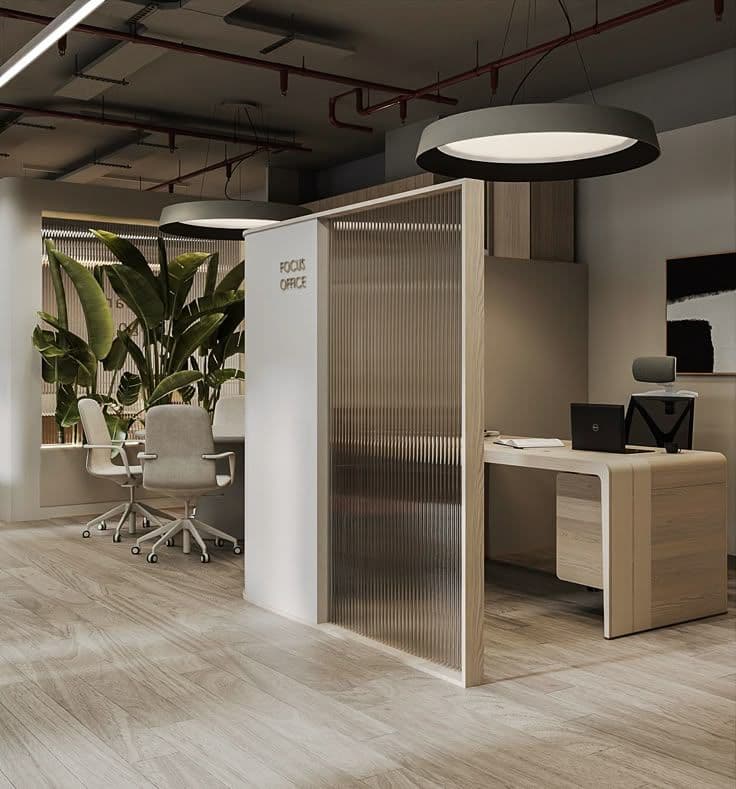
Ambient Lighting: This is the general illumination that fills a room. It can come from ceiling fixtures, recessed lights, or natural light. Ambient lighting should be soft and even, providing enough light to see comfortably without being harsh.
Task Lighting: This focused light helps you perform specific activities like reading, cooking, or working. Desk lamps, under-cabinet kitchen lights, and reading lights are examples of task lighting.
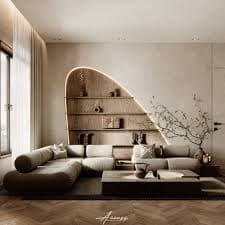
Accent Lighting: Used to highlight architectural features, artwork, or decorative elements. Track lighting, picture lights, and wall sconces create visual interest and depth.
Layering Light for Depth
The secret to great lighting is layering. Instead of relying on a single overhead light, combine multiple light sources at different heights and intensities. This creates depth, eliminates harsh shadows, and allows you to adjust the mood of a room throughout the day.
Room-by-Room Lighting Guide
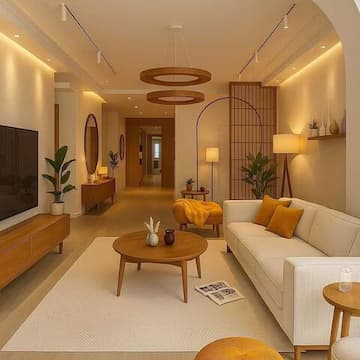
Living Room: Combine ambient lighting (recessed or ceiling fixture) with task lighting (floor lamps for reading) and accent lighting (to highlight artwork or architectural features). Dimmer switches are essential for flexibility.
Kitchen: Bright ambient lighting is crucial, but don't forget under-cabinet task lighting for food preparation. Pendant lights over islands add both function and style.
Bedroom: Soft, warm ambient lighting creates a relaxing atmosphere. Bedside table lamps provide task lighting for reading, while accent lights can highlight a headboard or artwork.
Bathroom: Bright, even lighting around the mirror is essential. Avoid overhead-only lighting that creates shadows on your face. Consider sconces on either side of the mirror for the most flattering light.
Color Temperature Matters
Light color temperature is measured in Kelvins (K). Warm white (2700K-3000K) creates a cozy, intimate atmosphere perfect for living rooms and bedrooms. Cool white (3500K-4100K) is energizing and works well in kitchens and offices. Daylight (5000K-6500K) mimics natural sunlight and is great for task areas.
Natural Light Integration
Don't forget about natural light! Maximize windows, use light-colored window treatments, and position mirrors to reflect natural light deeper into your space. Natural light changes throughout the day, so your artificial lighting should complement it, not compete with it.
Great lighting design is invisible—you notice the effect, not the fixtures themselves. Take time to plan your lighting scheme, and don't be afraid to experiment. The right lighting can transform your home from ordinary to extraordinary.