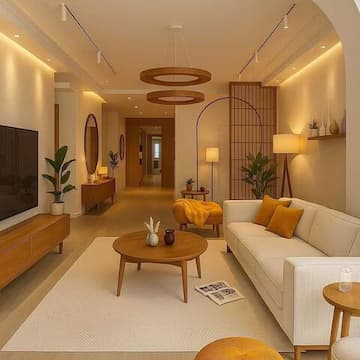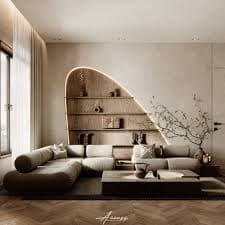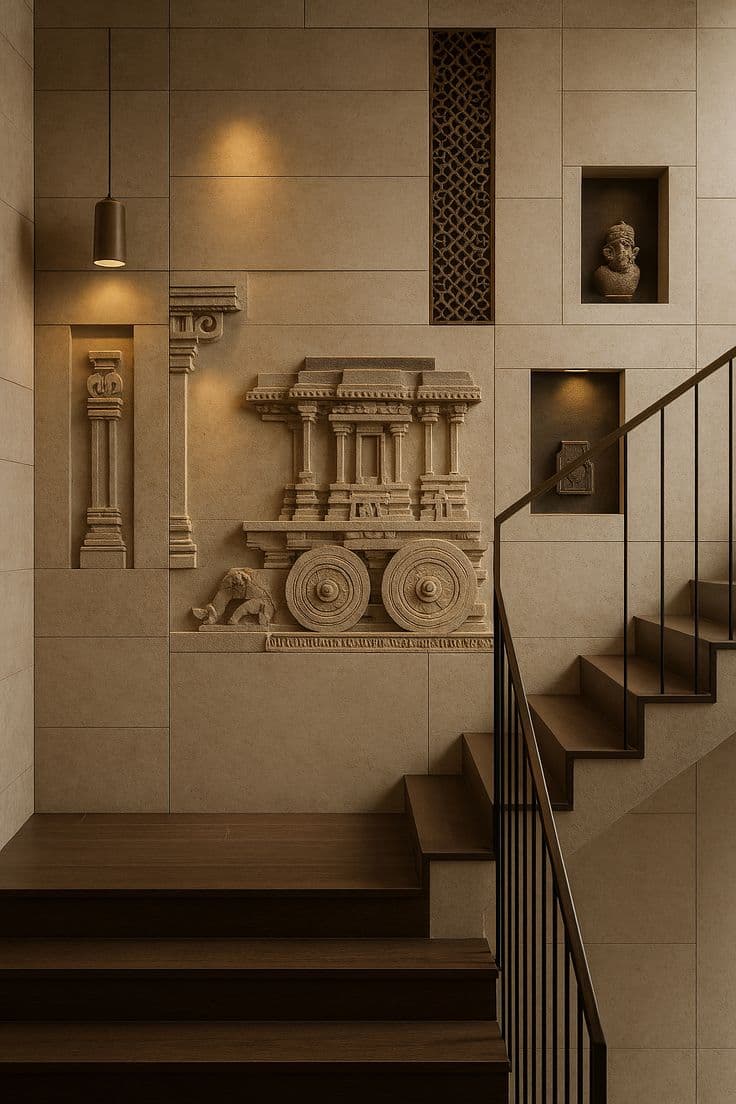
One of the most exciting trends in interior design is the artful blending of traditional and modern styles. This approach creates spaces that feel both timeless and contemporary, avoiding the trap of looking dated or overly trendy. But successfully mixing styles requires careful balance and thoughtful choices.
Start with a Foundation
Choose one style to serve as your foundation—typically the style that makes up about 70% of your space. This creates a cohesive base that prevents the room from feeling chaotic. If you love modern design, make that your foundation and add traditional accents. If you prefer traditional, use it as your base and introduce modern elements.
Find Common Ground
Look for elements that both styles share. Both traditional and modern design often emphasize clean lines, quality materials, and thoughtful proportions. Use these shared principles to create harmony between different pieces. A modern sofa and a traditional wing chair can work together if they share similar proportions or color schemes.
Use Color to Unify
A cohesive color palette is one of the most effective ways to blend different styles. Choose a color scheme that works for both traditional and modern pieces, then use it consistently throughout the room. Neutral bases with strategic pops of color work particularly well for mixed-style spaces.
Balance Proportions
Scale and proportion matter more than matching styles. A large traditional armoire can work beautifully with sleek modern furniture if they're proportionally balanced. Don't let one style dominate in size—distribute visual weight evenly throughout the space.
Mix Materials Thoughtfully
Combining different materials can help bridge the gap between styles. Pair a traditional wooden dining table with modern acrylic chairs, or combine a modern glass coffee table with a traditional Persian rug. The contrast creates interest while the shared color palette maintains harmony.
Use Art and Accessories as Bridges
Artwork and accessories are perfect for bridging style gaps. Contemporary art can modernize a traditional room, while vintage accessories can add warmth to a modern space. These elements are easier to change than furniture, making them perfect for experimentation.
Avoid Style Clichés
Don't fall into the trap of obvious style mixing—like putting a modern lamp on a traditional table just because. Instead, look for pieces that share underlying principles. A traditional piece with clean lines can feel modern, and a modern piece with rich materials can feel traditional.
Trust Your Instincts
Ultimately, successful style mixing comes down to what feels right to you. If a combination makes you happy and the space feels cohesive, you've succeeded. Don't be afraid to break "rules" if the result feels authentic to your personal style.
Remember, the goal isn't to create a perfectly balanced 50/50 mix—it's to create a space that reflects your personality and tells your story. The best interiors are those that feel collected over time, not decorated all at once.